By Dan McCarey
In an exciting collaboration with Harvard University, I embarked on a project that pushed the boundaries of how library collections are visualized and explored. Our goal was to bring to life the concept of Linked Data in Harvard's geospatial and movie library collections.
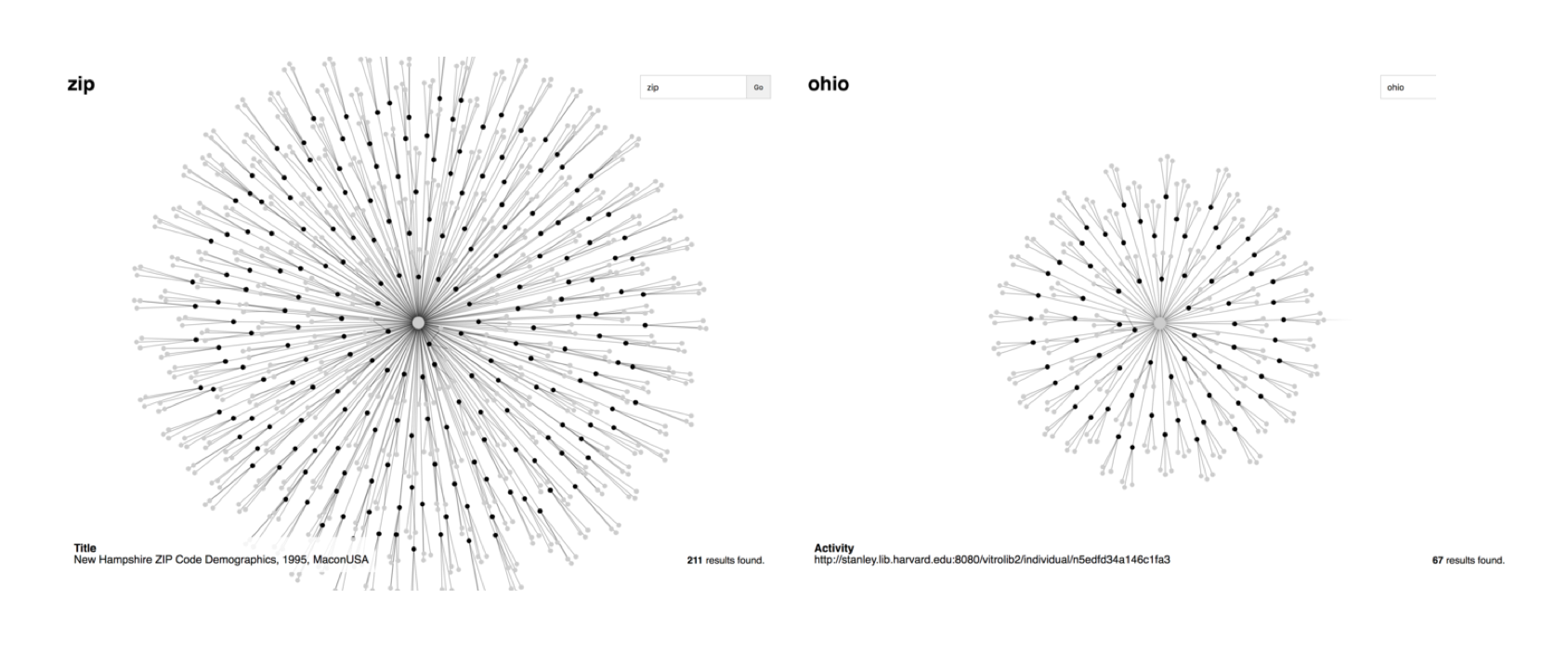
Linked Data is a method of publishing structured data that makes it interlinkable and more useful.
The concept of Linked Data was pioneered by Tim Berners-Lee, the inventor of the World Wide Web. Linked Data is a method of publishing structured data that makes it interlinkable and more useful. It is based on a set of best practices for connecting and sharing data on the web.
The essence of Linked Data lies in the use of "triples," which are simple data statements in a subject-predicate-object format, akin to the basic structure of a sentence in natural language. For example, in the triple "Paris - is the capital of - France," 'Paris' is the subject, 'is the capital of' is the predicate, and 'France' is the object. These triples are part of a broader framework known as RDF (Resource Description Framework). This structured format allows for data to be easily linked and queried across different sources.
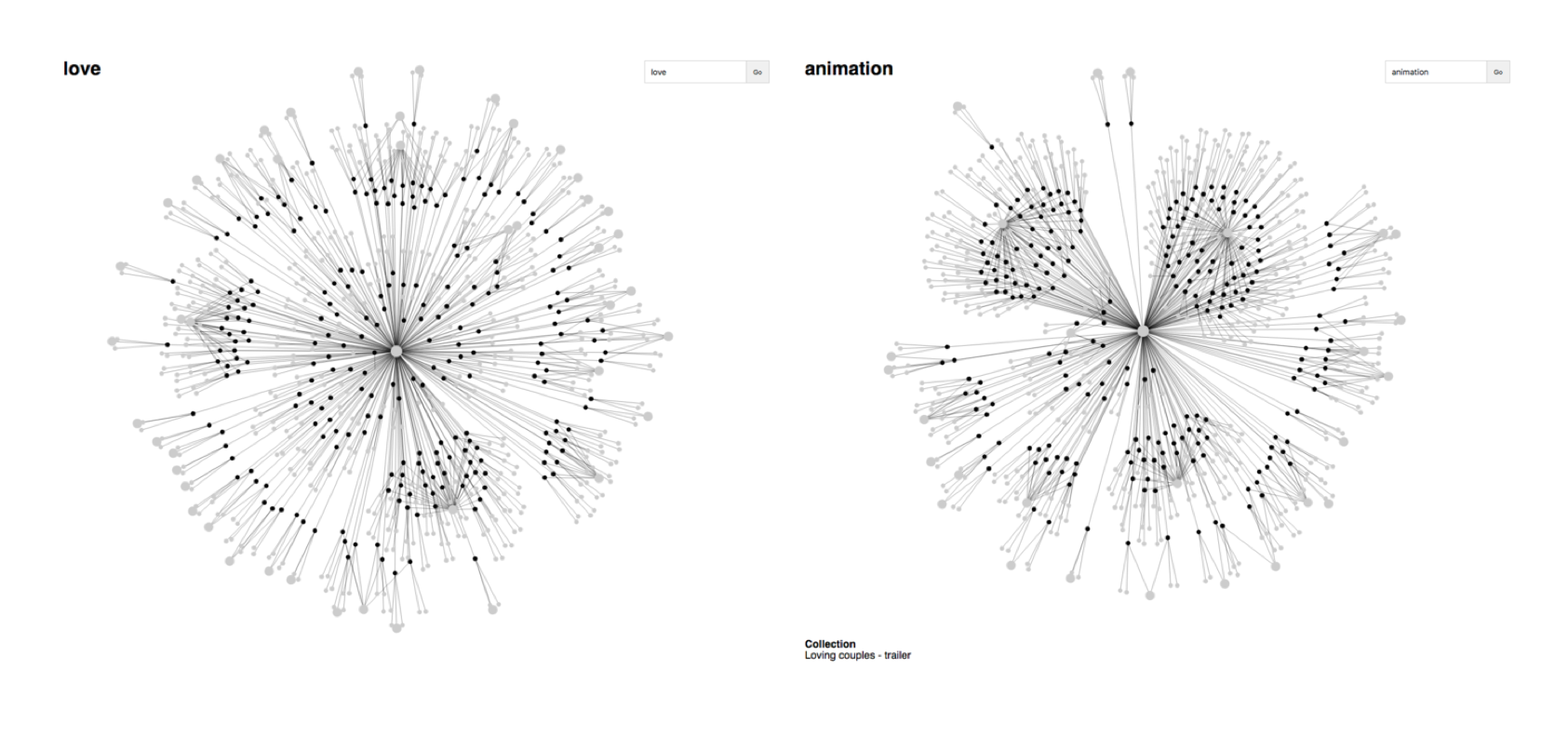
This initiative was part of a larger effort to make library collections more searchable and semantic by implementing linked data principles. The aim was to create visualizations that not only demonstrated the relationships within the linked data model but also showcased the improved search pathways it provided.
The project's central challenge was to effectively visualize the complex network of relationships inherent in the linked data. The initial phase involved creating traditional force-directed node diagrams using D3.js. These visualizations were designed to showcase the intricate network of connections for specific titles within the library collections, highlighting how different pieces of data were interlinked.
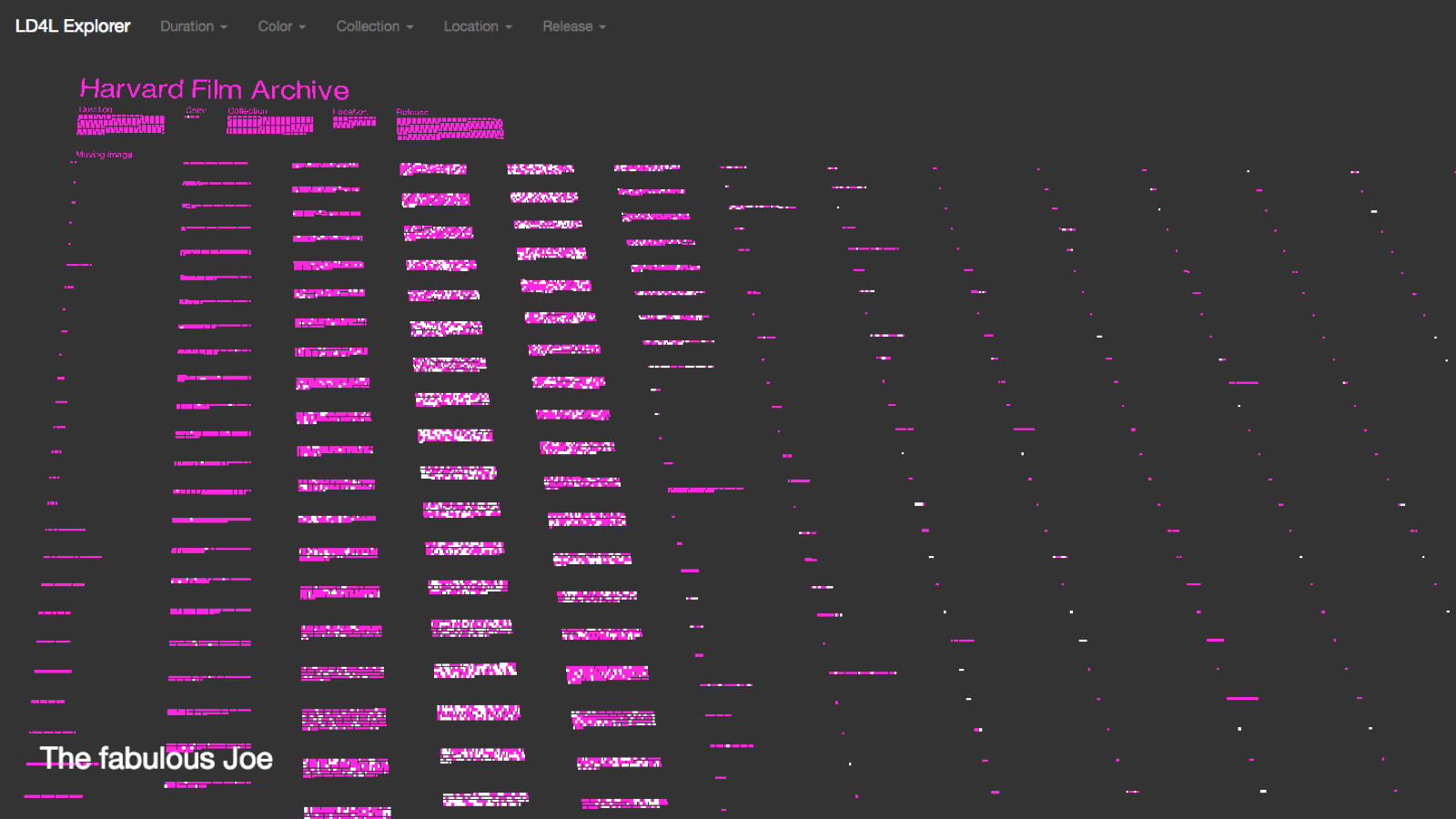
Building on the foundational work of the node diagrams, the project evolved into developing a more experimental search interface using Web GL. This interface allowed for the browsing and filtering of entire collections in a dynamic and interactive environment. The use of Web GL brought a new dimension to the visualization, enabling users to navigate through vast amounts of data in a visually engaging and intuitive manner.
The implementation of linked data in library collections represents a significant shift in how information is organized and accessed. By linking disparate pieces of information, libraries can provide richer and more meaningful search experiences. Users can uncover hidden connections and relationships between different items, leading to deeper insights and discoveries.
This project with Harvard University was not only a technical achievement but also an educational endeavor for me. I got to learn about SPARQL and RDF databases and really appreciate Christine Fernsebner Eslao reaching out to me about the project and for being so helpful and great to work with.